
More than 100,000 meals served every month.
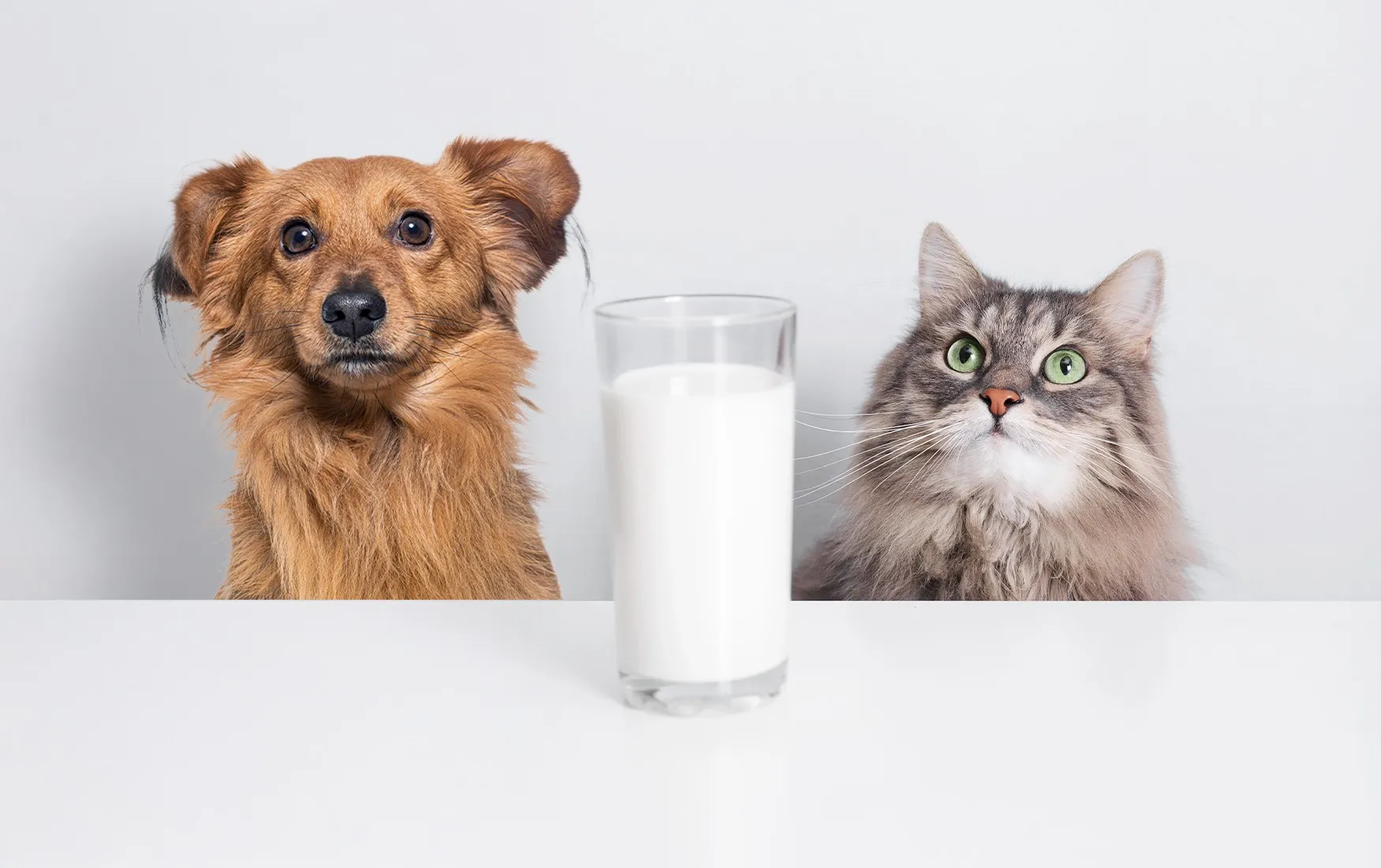
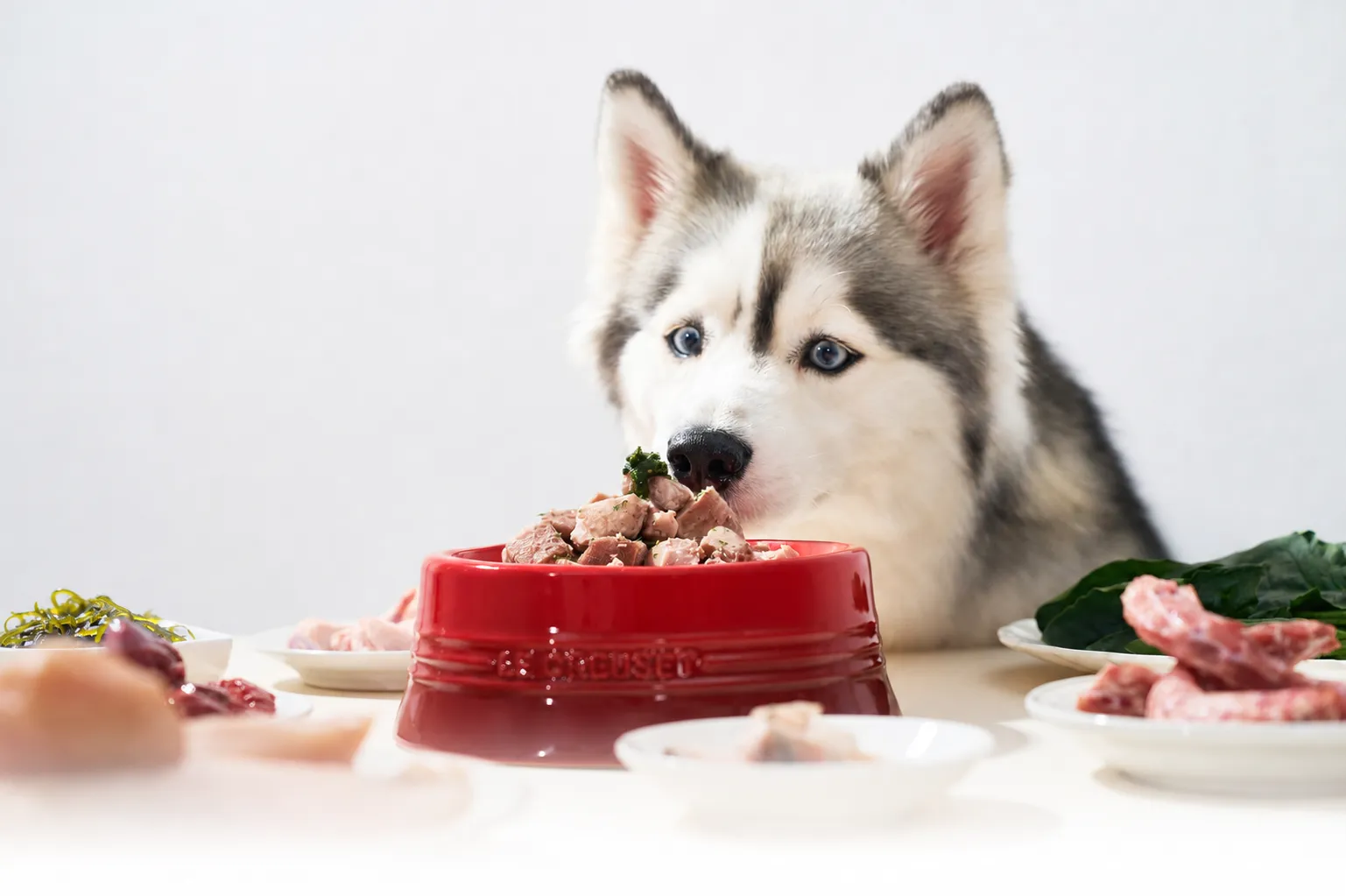
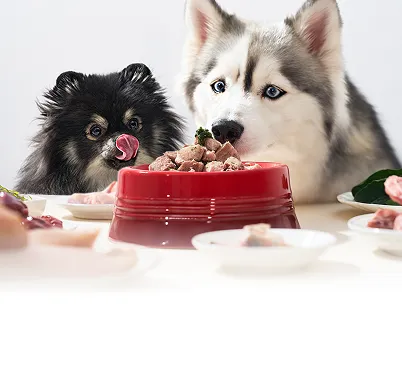
A bowl of milk beside a dog and cat, illustrating whether adult pets can digest lactoseHusky and Pomeranian sharing a red bowl of fresh raw food
← Back

Can Dogs and Cats Drink Milk? What Pet Parents in Singapore Should Know

Portrait of Jason Wang, Pet Nutritionist at BOM BOM

Updated:

November 12, 2026

•

· 5 min read

•

Share this article

The short answer:
Most adult dogs and cats shouldn't drink regular cow's milk. After weaning, their bodies make much less lactase, the enzyme that digests milk sugar, so milk often leads to diarrhoea, gas or bloating. Milk isn't toxic, but your pet doesn't need it. If you'd like to share a treat, a small amount of lactose-free milk or plain kefir is gentler.

It's one of the most common questions BB Support hears. Your dog sits by the fridge every time you pour a glass, or your cat comes running at the sound of a milk carton. Films and cartoons have made a saucer of milk look like the most natural treat in the world. The reality is a little different, and knowing why helps you choose what to share with confidence.

Why most adult dogs and cats struggle with milk

Milk contains a natural sugar called lactose. To digest it, the body needs an enzyme called lactase, which splits lactose into two simpler sugars that can be absorbed.

Puppies and kittens produce plenty of lactase, because their first food is their mother's milk. Once they're weaned onto solid food, lactase production drops sharply. By adulthood, most dogs and cats can't digest more than a small amount of lactose.

Undigested lactose travels to the large intestine, where it draws in water and is fermented by gut bacteria. That's what causes the loose stools, gas and tummy rumbles many pet parents notice after a bowl of milk. This is called lactose intolerance, and it's very common in adult dogs and cats.

Can dogs drink milk?

Dogs can have a little milk occasionally, but it isn't good for them and they don't need it. Many adult dogs are lactose intolerant to some degree. Some can manage a few laps without any trouble, while others react to a spoonful. There's no way to know which camp your dog is in without watching closely after a very small amount.

Milk also adds calories, fat and sugar. For dogs prone to weight gain or tummy issues, those extras add up quickly. A balanced diet, such as our cooked food for dogs, already gives your dog the calcium and protein that milk is known for, so leaving it out costs them nothing.

Can puppies drink milk?

Puppies should drink their mother's milk. If that isn't possible, they need a puppy milk replacer formulated for dogs. Cow's milk and goat's milk don't match a puppy's needs for protein, fat and minerals, and can cause diarrhoea, which is risky for young puppies. Once weaned, puppies don't need milk at all. If you're ready to move on to solid meals, here's our guide to introducing a kitten or puppy to fresh food.

Can cats drink milk?

Most adult cats shouldn't drink cow's milk. The image of a cat lapping up a saucer of milk is a myth that has stuck around for generations. Cats love the taste because milk is rich in fat and protein, but most adult cats are lactose intolerant and get an upset stomach from it.

Cats are obligate carnivores: they're designed to get their nutrition from meat. A meat-rich, nutritionally balanced diet, like our cooked food for cats or raw food for cats, gives them everything they need, and milk adds nothing essential.

Can kittens drink cow's milk?

No. Orphaned or early-weaned kittens need a kitten milk replacer, which is formulated for their much higher protein and fat needs. Cow's milk can cause diarrhoea and dehydration in kittens, which can become serious quickly. Speak to your vet about the right formula and feeding schedule.

Signs your pet doesn't tolerate milk

Symptoms usually appear within a few hours to a day after drinking milk. Look out for:

  • Loose stools or diarrhoea
  • Gas and a gurgling tummy
  • Bloating or a tender belly
  • Vomiting
  • More frequent trips outside or to the litter box

Mild symptoms usually pass once the milk is out of their system. Offer fresh water and skip milk from then on. If your pet has repeated vomiting or diarrhoea, seems lethargic or symptoms last longer than 24 hours, contact your vet.

Lactose intolerance vs milk allergy

These two are often confused, but they're different problems with different signs.

Lactose intolerance Milk (dairy) allergy
What causes it Not enough lactase to digest milk sugar The immune system reacts to milk proteins such as casein
How common Very common in adult dogs and cats Less common
Main signs Diarrhoea, gas, bloating, vomiting Itchy skin, redness, ear infections, paw licking, sometimes tummy upset
Does lactose-free milk help? Usually yes No, the proteins are still there
What to do Avoid regular milk; small amounts of lactose-free or fermented milk may be fine Avoid dairy completely and speak to your vet

When to skip milk completely

Even lactose-free options aren't a good idea for some pets. Avoid milk altogether if your dog or cat:

  • Has a history of pancreatitis: the fat in milk can trigger a flare-up.
  • Is overweight or on a weight plan: milk is a source of extra calories that's easy to overlook.
  • Has kidney disease: milk is high in phosphorus, which pets with kidney issues often need to limit.
  • Has a sensitive stomach or recurring digestive issues: milk is a common trigger.
  • Has a known dairy allergy: even small amounts can cause a reaction.
  • Is recovering from illness or surgery: keep their diet simple and consistent. Read more on choosing the right diet for pets recovering from illness.

Safer milk options for dogs and cats, compared

If your pet tolerates dairy and you'd like to share an occasional treat, some options are much gentler than regular cow's milk. Here's how they compare.

Milk type Lactose Verdict Good to know
Regular cow's milk High Avoid for most adult pets Most common cause of milk-related tummy upset
Lactose-free cow's milk Very low OK as an occasional treat Lactose is pre-digested; still contains fat, calories and milk proteins
Goat's milk Slightly lower than cow's milk Small amounts only Not lactose-free. Some pets find it easier to digest
Plain kefir (fermented milk) Low Gentlest dairy option Fermentation uses up much of the lactose; contains live cultures
Soy or oat milk (unsweetened) None Not harmful in tiny amounts, little benefit Avoid sweetened or flavoured versions
Almond milk (unsweetened) None Best avoided Nuts are high in fat and can upset the stomach
Puppy or kitten milk replacer Formulated for the species For puppies and kittens only The only suitable milk for young pets who can't nurse
Chocolate or flavoured milk High Never Chocolate is toxic to dogs and cats; flavoured milks are high in sugar

Lactose-free milk for dogs and cats

Lactose-free milk is regular milk with lactase added, so the lactose is already broken down before your pet drinks it. That makes it far less likely to cause digestive upset, which is why it's become a popular choice for pet parents in Singapore. It's still milk, though: it has the same fat, calories and milk proteins, so keep it to small, occasional servings, and skip it entirely for pets with a dairy allergy.

Is goat's milk better for pets?

Goat's milk is often described as easier to digest, and some pets do seem to handle it better than cow's milk. Its fat globules are smaller and its protein structure is a little different, though research in dogs and cats is still limited. What's often left out is that goat's milk still contains lactose, only slightly less than cow's milk. So for a lactose-intolerant pet, plain goat's milk isn't a solution on its own.

Why kefir is different

Kefir is milk that has been fermented with live cultures. During fermentation, the cultures feed on lactose, so the finished kefir contains much less of it than fresh milk. It also contains live probiotics, which can support gut health. Choose plain, unsweetened kefir with nothing added, and introduce it slowly.

Soy, oat and almond milk

Plant milks don't contain lactose, but that doesn't make them a good choice. Plain, unsweetened soy or oat milk isn't harmful in a small amount, but it offers your pet little nutritional value. Almond milk is best avoided because nuts are high in fat. Never share sweetened or flavoured plant milks, and always check the label for xylitol, a sweetener that is dangerous for dogs.

How much milk is safe?

If your pet tolerates it, keep milk as a treat, not a routine. A good rule is that all treats together, milk included, should make up less than 10% of your pet's daily calories. Not sure what that looks like? Check how much to feed your pet.

Start with a very small amount of lactose-free milk or plain kefir and watch for 24 hours before offering it again.

Pet Starting amount (lactose-free milk or plain kefir) How often
Cats and small dogs (under 10 kg) 1 teaspoon Once or twice a week at most
Medium dogs (10 to 25 kg) 1 to 2 teaspoons Once or twice a week at most
Large dogs (over 25 kg) 1 tablespoon Once or twice a week at most

What should your pet drink instead?

Fresh, clean water is the only drink your dog or cat truly needs. In Singapore's heat and humidity, staying hydrated matters even more, especially for cats, who naturally drink very little and get much of their water from food.

  • Keep water easy to reach: place a few bowls around the home and refresh them daily.
  • Try a water fountain: many cats drink more from moving water.
  • Feed moisture-rich food: fresh food naturally contains far more moisture than dry food, so your pet takes in water with every meal.
  • Plain bone broth as an occasional extra: make sure it's unsalted and free of onion and garlic, which are toxic to pets.

The bottom line

Most adult dogs and cats are better off without milk. It isn't toxic, but lactose intolerance is common and milk adds calories they don't need. If your pet enjoys dairy and handles it well, a small amount of lactose-free milk or plain kefir is the gentler way to share. Puppies and kittens should only ever have their mother's milk or a species-specific milk replacer.

The bigger picture is a diet built on real, recognisable ingredients, like our nutritionally balanced fresh meals, with plenty of moisture and fresh water alongside. Every pet is different, so if you're unsure what suits yours, BB Support is always happy to help.

Feed With Confidence

Our nutritionist-formulated fresh meals are made with whole, recognisable ingredients and naturally high moisture, tailored to your dog or cat.

Build your pet's meal plan   |   Why fresh?

Frequently asked questions

Can dogs drink milk every day?

It's best not to. Even dogs that tolerate milk don't need it, and daily milk adds calories, fat and sugar that can lead to weight gain or loose stools. Keep milk, or a lactose-free alternative, as an occasional treat.

Can cats drink lactose-free milk?

Yes, in small amounts. Lactose-free milk has the milk sugar already broken down, so it's much less likely to upset a cat's stomach. It's still a treat, not a meal, so keep it to a teaspoon or two.

Is goat's milk good for dogs and cats?

Some pets find it easier to digest than cow's milk, but goat's milk still contains lactose. Plain, unsweetened goat milk kefir is the gentler choice because fermentation uses up much of the lactose.

Can kittens drink cow's milk?

No. Cow's milk doesn't match a kitten's nutritional needs and often causes diarrhoea. Orphaned or early-weaned kittens need a kitten milk replacer, and your vet can advise on amounts.

Can dogs drink soy, oat or almond milk?

Plain, unsweetened versions aren't toxic in small amounts, but they offer little benefit. Avoid sweetened or flavoured plant milks and anything containing xylitol, which is dangerous for dogs.

My dog drank milk. What should I do?

Most dogs are fine after a small amount. Watch for diarrhoea, vomiting, gas or bloating over the next day and offer fresh water. Call your vet if symptoms are severe or last more than 24 hours.

Are cats lactose intolerant?

Most adult cats are. Kittens produce lactase to digest their mother's milk, but production drops after weaning, so many adult cats get an upset stomach from regular milk.

Can I mix milk with water for my dog?

Diluting milk lowers the amount of lactose per serving, but it doesn't remove it. If your dog reacts to milk, diluted milk can still cause problems. Fresh water on its own is best.

Build your custom meal plan today.
Get a nutritionist-formulated plan tailored specifically to your dog's breed and weight.
Get BOM BOM →
More Blogs
Doggo ipsum shibe smol corgo mlem porgo, fat boi long bois. The neighborhood pupper doggorino corgo stop it fren, heck. Need copy here.
Brown and white dog sniffing a bowl of raw meat, liver and a sardine held in a hand
Raw Dog Food Singapore
August 20, 2026
Fresh and biologically appropriate raw food customised to your dog's unique needs. Made with whole fresh ingredients, NRC compliant, and delivered across Singapore.
Read Full Blog →
Small white dog looking over a bowl of gently cooked meat and greens held in two hands
Cooked Food for Dogs
August 20, 2026
Customised gently cooked meals designed around your dog's unique needs, using fresh whole ingredients that meet NRC standards. Biologically appropriate and delivered free across Singapore.
Read Full Blog →
Ginger and white cat leaning towards a bowl of raw meat, liver and a small fish
Raw Cat Food Singapore
August 20, 2026
Customised raw meals designed around your cat's unique needs, using fresh whole ingredients that meet NRC standards. Biologically appropriate and delivered free across Singapore.
Read Full Blog →
Tabby cat sniffing a bowl of gently cooked meat and greens held in two hands
Cooked Cat Food Singapore
August 20, 2026
Customised gently cooked meals designed around your cat's unique needs, using fresh whole ingredients that meet NRC standards. Biologically appropriate and delivered free across Singapore.
Read Full Blog →
Dog and cat looking at a glass of milk on a table
Can Adult Dogs and Cats Drink Milk?
August 20, 2026
Many dogs and cats enjoy the taste of milk, but most adults cannot properly digest lactose. Understanding the benefits, the risks, and the safer alternatives helps pet owners make an informed decision.
Read Full Blog →
White Pomeranian in a recovery cone surrounded by a ring of small bowls of fresh meat meals
How to Choose the Right Diet for Pets Recovering from Illness or Surgery
August 14, 2026
Recovery after illness or surgery is a critical time, and nutrition plays a major role in how quickly and effectively your pet heals. The right diet supports tissue repair, reduces inflammation, restores energy, and strengthens the immune system.
Read Full Blog →
Iron Intake for Dogs and Cats: What Pet Owners Need to Know
November 12, 2026
Iron is an essential nutrient for dogs and cats, helping with oxygen transport, energy production, and overall health. However, getting the right type and amount of iron in their diet is key because too little can cause deficiencies, while too much can be harmful.
Read Full Blog →
Raw vs. Cooked: What's Best for Your Dog's Digestive Health?
November 12, 2026
Our furkids shower us with boundless enthusiasm, unwavering affection and unconditional love, and as their human guardians, we strive to return the favour in every way possible — starting with the healthiest diet possible.
Read Full Blog →
Gently cooked sous vide fresh pet food ready to serve
When is the Best Time to Introduce Sous Vide Meals to Your Pet's Diet?
November 12, 2026
Dogs and cats are natural-born carnivores, evolved to thrive on raw diets; however, certain circumstances or preferences may warrant choosing Sous Vide meals over raw meals instead.
Read Full Blog →
Can Dogs and Cats Drink Milk? What Pet Parents in Singapore Should Know
November 12, 2026
Many dogs and cats enjoy the taste of milk, but most adults cannot properly digest lactose. Understanding the benefits, the risks, and the safer alternatives helps pet owners make an informed decision.
Read Full Blog →
Raw meaty bones suitable for feeding safely to dogs and cats
How to Feed Bones Safely to Your Pet
November 12, 2026
Bones can be a fantastic source of natural nutrition, but not all are created equal — and feeding the wrong type can pose real health risks. Here are the criteria BOM BOM follows to choose bones that are safe as well as nutritious.
Read Full Blog →
How to Select the Perfect Food for Your Dog in Singapore
November 12, 2026
Choosing the optimal diet for your canine companion can be overwhelming. Just like us, our furkids have unique needs that vary based on their age, size, preference, lifestyle and physiological needs.
Read Full Blog →
This is some text inside of a div block.
Iron Intake for Dogs and Cats: What Pet Owners Need to Know
November 12, 2026
Iron is an essential nutrient for dogs and cats, helping with oxygen transport, energy production, and overall health. However, getting the right type and amount of iron in their diet is key because too little can cause deficiencies, while too much can be harmful.
Read Full Blog →
This is some text inside of a div block.
Raw vs. Cooked: What's Best for Your Dog's Digestive Health?
November 12, 2026
Our furkids shower us with boundless enthusiasm, unwavering affection and unconditional love, and as their human guardians, we strive to return the favour in every way possible — starting with the healthiest diet possible.
Read Full Blog →
This is some text inside of a div block.
Gently cooked sous vide fresh pet food ready to serve
When is the Best Time to Introduce Sous Vide Meals to Your Pet's Diet?
November 12, 2026
Dogs and cats are natural-born carnivores, evolved to thrive on raw diets; however, certain circumstances or preferences may warrant choosing Sous Vide meals over raw meals instead.
Read Full Blog →
This is some text inside of a div block.
Can Dogs and Cats Drink Milk? What Pet Parents in Singapore Should Know
November 12, 2026
Many dogs and cats enjoy the taste of milk, but most adults cannot properly digest lactose. Understanding the benefits, the risks, and the safer alternatives helps pet owners make an informed decision.
Read Full Blog →
This is some text inside of a div block.
Raw meaty bones suitable for feeding safely to dogs and cats
How to Feed Bones Safely to Your Pet
November 12, 2026
Bones can be a fantastic source of natural nutrition, but not all are created equal — and feeding the wrong type can pose real health risks. Here are the criteria BOM BOM follows to choose bones that are safe as well as nutritious.
Read Full Blog →
This is some text inside of a div block.
How to Select the Perfect Food for Your Dog in Singapore
November 12, 2026
Choosing the optimal diet for your canine companion can be overwhelming. Just like us, our furkids have unique needs that vary based on their age, size, preference, lifestyle and physiological needs.
Read Full Blog →
This is some text inside of a div block.
Starting Early: When and How to Introduce Your Kitten or Puppy to a Raw Diet
November 12, 2026
Introducing your kitten or puppy to a raw diet can be one of the best decisions you make for their health and well-being. Kittens can begin as soon as they are weaned, around six weeks old, while puppies are ready at eight weeks.
Read Full Blog →
This is some text inside of a div block.
Choosing the Right Protein for Your Pet: A Guide to Safe and Effective Protein Rotation
November 12, 2026
Proteins are essential for your pet's health, influencing everything from muscle development to immune function. With so many options available, determining which protein is best can feel overwhelming.
Read Full Blog →
This is some text inside of a div block.
Natural raw and sous vide fresh pet meals compared side by side
Natural vs. Sous Vide: Which Fresh Meal Option Is Best for Your Pet?
November 12, 2026
With BOM BOM offering both natural raw diets and sous vide meals, pet owners may wonder which option is best suited for their pets. Both provide a wealth of nutritional benefits — the ideal choice depends on your pet's physiology and preferences.
Read Full Blog →
This is some text inside of a div block.
Customised fresh meal plan for a dog with digestive problems, tailored by pet nutritionists
Customised vs Generic Diet Plans: Which Is Better for Dogs with Digestive Problems?
November 12, 2026
Bloating, loose stools and gas are among the most common concerns pet parents face. Most feeding guidance is built for the average dog — here is how a customised meal plan compares, and when it is worth switching.
Read Full Blog →
This is some text inside of a div block.
Why Proper Serving Sizes Matter for Your Pet's Health
November 12, 2026
Ingredient quality gets all the attention, but portion size is just as important. Here is how getting it wrong shows up in your pet's health, and what a serving size should actually be based on.
Read Full Blog
Submit your BOM BOM story and receive a treat from us!